PCOS Glow Tea Ingredients Explained: Cinnamon, Shatavari, Fenugreek and Ashwagandha

By Khawaja Saad Aslam · · 4 min read

Quick answer: PCOS Glow Tea is a blend of four herbs: cinnamon (daar cheeni), shatavari, fenugreek seed (methi dana) and ashwagandha (asgandh), with no artificial additives. Each has a history of traditional use. The research is mixed: one preliminary cinnamon trial in PCOS, a small uncontrolled study of a fenugreek extract, ashwagandha research mainly on stress and sleep, and no PCOS trial of shatavari that we found. The blend itself has not been tested, so it is a herbal tea, not a treatment.
Note on ingredients: this guide covers the four named herbs: cinnamon, shatavari, fenugreek and ashwagandha. The product page also lists “special herbal ingredients” without naming them. If you are pregnant, breastfeeding, allergic or taking medicine, ask us for the full ingredient list before you drink it.
Most PCOS tea pages tell you what a blend is “for”. We would rather tell you what is in it and what is known about each part. Here is each herb in turn, with links to our fuller write-ups.
The four herbs at a glance
| Herb | Also called | Traditional use | Research relevant to PCOS | Main caution |
|---|---|---|---|---|
| Cinnamon | Dalchini, daar cheeni | A warming spice in food and herbal drinks | One preliminary placebo-controlled trial (45 women, 6 months) on menstrual cyclicity | Cassia cinnamon contains coumarin; type and amount matter if you drink it daily |
| Shatavari | Wild or Indian asparagus | Ayurvedic herb for women’s reproductive health and lactation | None found in PCOS; trials exist on lactation and menopause | No authoritative safety summary found; ask a doctor if pregnant, breastfeeding or hormone-sensitive |
| Fenugreek | Methi dana | A kitchen staple and traditional herb | One small open-label study of a seed extract (50 women, 90 days), with no comparison group | Not safe in pregnancy above food amounts; can lower blood sugar |
| Ashwagandha | Asgandh | Ayurvedic herb used for thousands of years | None found in PCOS; some evidence for stress and sleep (NCCIH) | Avoid in pregnancy and breastfeeding; caution with thyroid, liver and several medicines |
Cinnamon (daar cheeni)
Cinnamon is the best-studied herb in the blend, but that means one trial, and its authors called the result preliminary. The other point worth knowing is that cassia cinnamon contains coumarin, so the type and quantity matter if you drink it every day. Read the detail in cinnamon and PCOS.
Shatavari
Shatavari has centuries of use in Ayurveda for women’s health, but we did not find a PCOS trial, and the human trials we did find tested root extracts for other outcomes. We say so on our research page, and in shatavari.
Fenugreek (methi dana)
The fenugreek study in PCOS tested a concentrated extract in an open-label design with no control group. A cup of tea is a different preparation. Fenugreek also has clear pregnancy and blood-sugar cautions; see fenugreek (methi dana) and PCOS.
Ashwagandha (asgandh)
The US NIH says some ashwagandha preparations may help with insomnia and stress and that there is not enough evidence for other uses. It carries the longest list of cautions in the blend. See ashwagandha (asgandh).
What we do not know
We are not aware of any clinical trial of the blend itself. The research is on individual herbs, mostly as extracts or capsules.
The herbs in a cup of tea are present in small, unstandardized amounts, so results from supplement-strength doses should not be assumed to apply.
Nothing in this blend has been shown to treat PCOS, and we do not claim that it does.
How we suggest using it
As a warm, caffeine-free herbal drink that is part of a routine that includes medical care, a balanced diet and activity. If you want to start, read who should avoid PCOS Glow Tea first, then how to make and drink PCOS Glow Tea.
Frequently Asked Questions
Four named herbs: cinnamon, shatavari, fenugreek seed and ashwagandha, with no artificial additives. The product page also lists “special herbal ingredients” without naming them, so ask us for the full list if you have allergies, are pregnant or take medicine.
None of the four named herbs contains caffeine. If you need certainty about the unnamed ingredients, ask us for the full list.
No. Spearmint is a separate product: our Spearmint Tea is 100% spearmint leaves.
We are not aware of any clinical trial of the blend itself. The research that exists is on the individual herbs, and mostly on extracts or supplements. Our research page lists what we found.
Sources
NCCIH (US National Institutes of Health): Ashwagandha, usefulness and safety
NCCIH (US National Institutes of Health): Fenugreek, usefulness and safety
German Federal Institute for Risk Assessment (BfR): FAQ on coumarin in cinnamon and other foods
Shatavari root extract for postpartum lactation: randomised, double-blind, placebo-controlled study
More on how we choose and describe sources is on our Editorial Standards page, and our Ingredient Research and Sources page summarizes the herb studies. This article is general information, not medical advice.
Written by
I focus on organic living, digital strategy, and health education. Through my articles on Organzo, I share practical insights on herbal teas, PCOS wellness, and natural remedies to make healthy living simple for everyone.
Keep reading
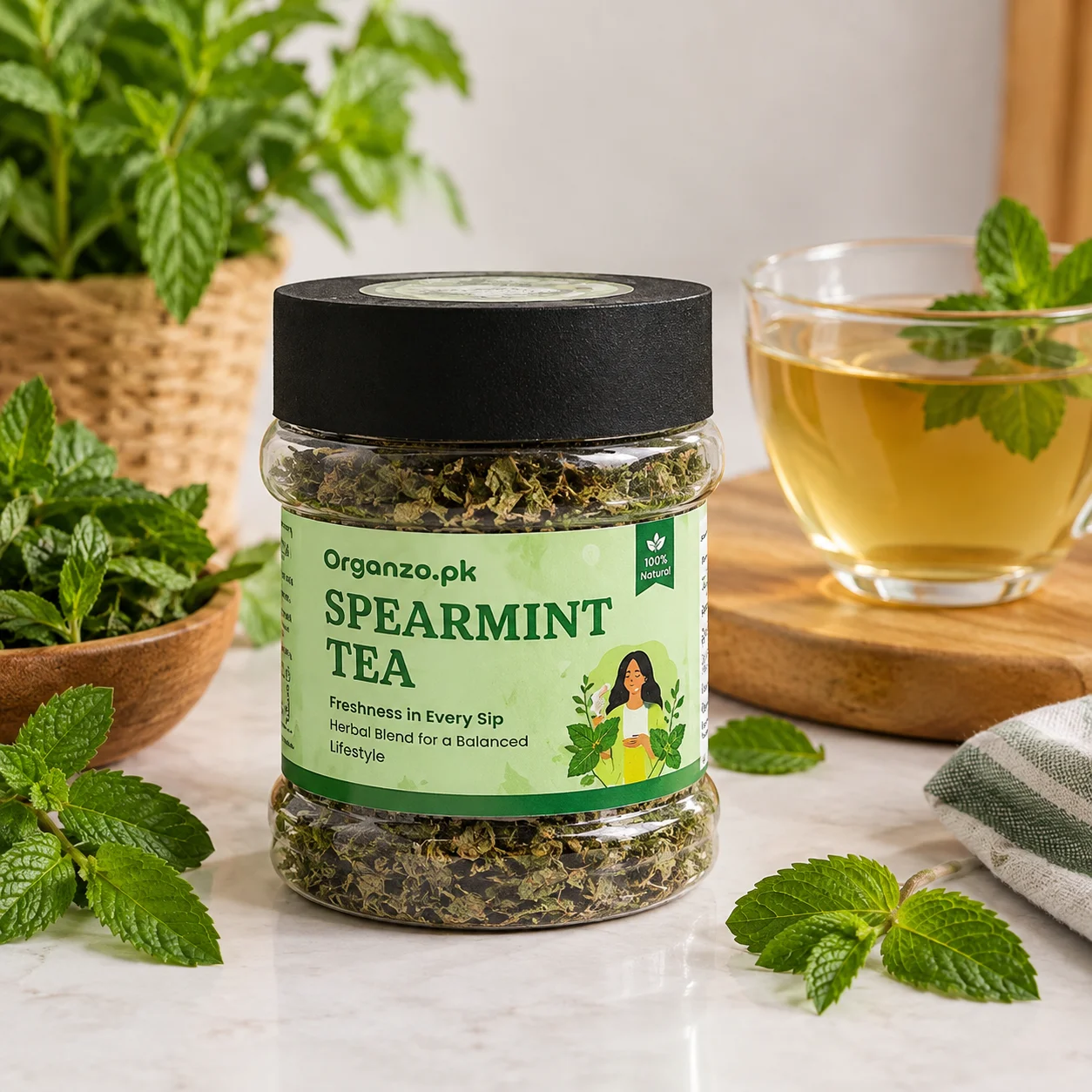
Spearmint vs Peppermint Tea: Taste, Chemistry and Which Was Studied for PCOS
Spearmint and peppermint are different plants with different flavour compounds. Here is how they differ, and why the PCOS studies used spearmint, not peppermint.

Shatavari: Traditional Uses, What Studies Exist and Safety Notes
Shatavari is a traditional Ayurvedic herb for women’s health. Here is what human trials actually exist, what they studied, and why none that we found were in PCOS.
Ashwagandha (Asgandh) for Women: What Studies Show, Safety and Who Should Avoid It
What the US NIH says about ashwagandha: where there is some evidence, where there is not enough, and who should avoid it, including pregnancy, thyroid conditions and certain medicines.