How to Make and Drink PCOS Glow Tea: Steps, Timing and Tips

By Khawaja Saad Aslam · · 4 min read
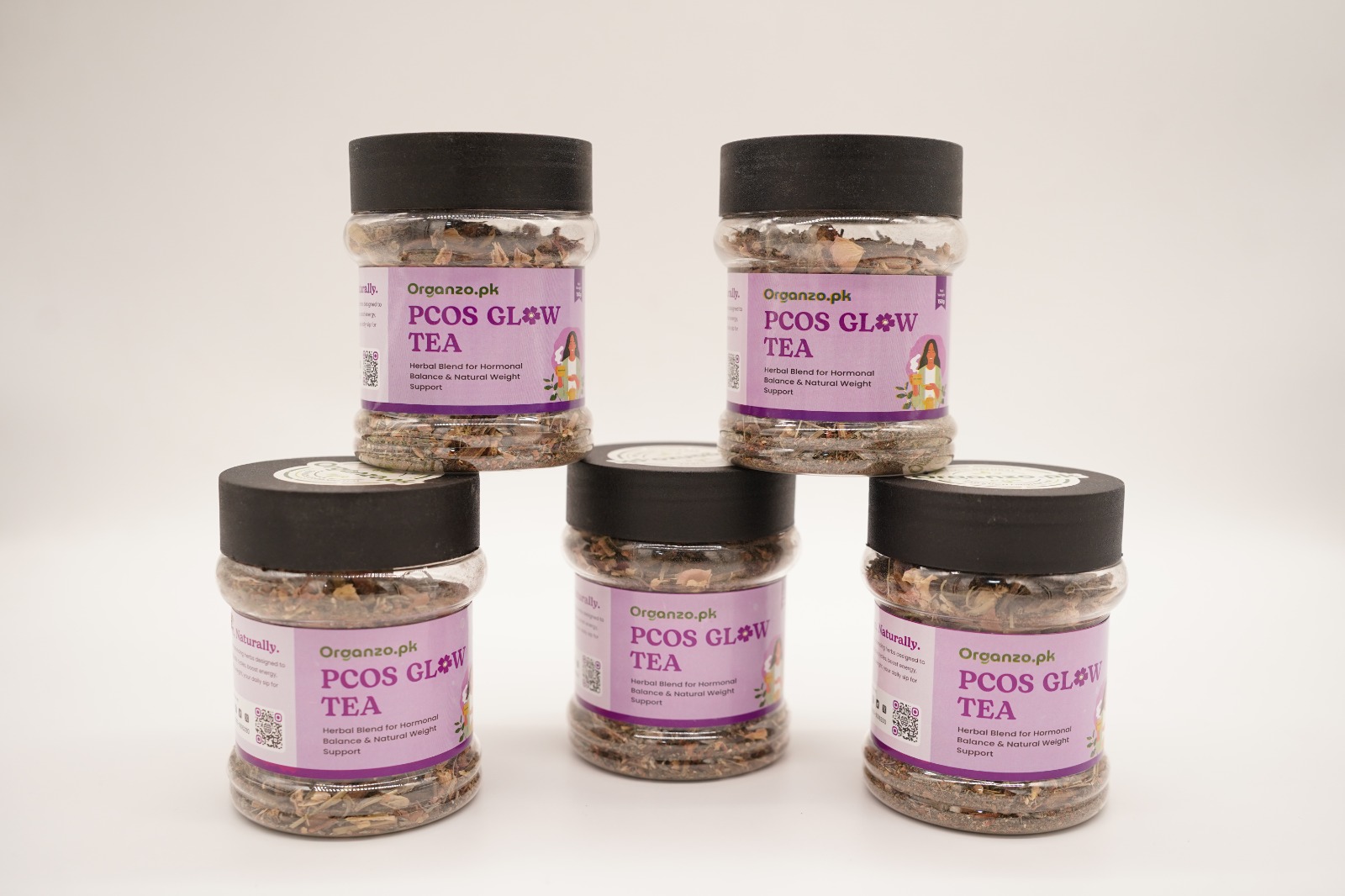
Quick answer: Steep one serving of PCOS Glow Tea in about 150 ml of water at 80–85°C for 3–5 minutes, strain, and drink it warm, once or twice a day. We suggest drinking it consistently for around 30 days and following the serving size on the pack. It is caffeine-free; read the safety checklist first if you are pregnant, breastfeeding or take regular medicines.
A herbal tea is only as good as the cup you make from it. This is the short, practical guide to brewing PCOS Glow Tea, and to using it in a way that fits a sensible routine.
What you will need
One serving of PCOS Glow Tea (use the serving size given on the pack or product page)
About 150 ml of water
A cup, and a strainer or infuser
A thermometer is helpful but not essential: let boiled water sit for a minute or two to bring it into the 80–85°C range
How to make PCOS Glow Tea
- 1Measure one serving
Add one serving of PCOS Glow Tea to your cup or infuser, using the serving size on the pack.
- 2Heat the water
Heat about 150 ml of water to 80–85°C. If you have boiled it, let it sit for a minute or two first.
- 3Pour and steep
Pour the hot water over the tea and steep for 3 to 5 minutes. A shorter steep gives a lighter cup and a longer one gives a stronger cup.
- 4Strain
Strain the tea so the herbs do not keep steeping.
- 5Drink warm
Sip it warm. Most people drink it once or twice a day.
When to drink it
Our product guidance is one to two cups a day, and it is gentle enough to enjoy after meals or whenever you want a calm moment. The more important thing is a routine you can keep: pick a time that fits your day, such as after breakfast or after dinner, and stay with it. The tea is caffeine-free, so it will not keep you awake.
How long to keep going
We suggest drinking it consistently for around 30 days, which is the timeframe used in much of the research on its herbs. That is not a promise that anything will change in 30 days. It is a reasonable length of time to decide whether you enjoy the routine. If you plan to keep drinking it beyond a few months, ask your doctor first, because long-term safety data for some of the herbs are limited. See who should avoid PCOS Glow Tea.
Tips for a better cup
Do not use fully boiling water. The 80–85°C range is the one our guidance recommends.
Skip the sugar if you can. A sweetened drink adds sugar to your day, which works against the point of a healthy routine. If you like it sweet, use only a little.
Store it sealed, dry and out of direct sunlight so the herbs keep their aroma.
Make it a ritual. A few quiet minutes away from your phone is a real benefit of herbal tea, whatever the herbs do.
What to realistically expect
Expect a warm, aromatic herbal cup. Do not expect a medical effect: PCOS is a medical condition, and no herbal tea has been shown to treat it. A useful habit is to keep a simple note of your period dates and symptoms in your phone or a notebook. It helps you see your own pattern over time, and your doctor will appreciate it.
To understand what is in the blend, read PCOS Glow Tea ingredients explained. For the bigger picture of PCOS care, start with What Is PCOS?.
Frequently Asked Questions
Our guidance is one to two cups a day. More is not better, and you should ask your doctor if you take regular medicines.
About 80–85°C, rather than fully boiling. If you have boiled the water, let it sit for a minute or two.
Three to five minutes. Shorter gives a lighter cup and longer gives a stronger one.
Any time that suits you, such as after a meal. A consistent time each day is more useful than a particular hour. It is caffeine-free, so it will not affect sleep through caffeine.
Sources
NCCIH (US National Institutes of Health): Ashwagandha, usefulness and safety
NCCIH (US National Institutes of Health): Fenugreek, usefulness and safety
Brewing guidance is our own product guidance, as on our PCOS tea guide page. More on how we choose and describe sources is on our Editorial Standards page, and our Ingredient Research and Sources page summarizes the herb studies. This article is general information, not medical advice.
Written by
I focus on organic living, digital strategy, and health education. Through my articles on Organzo, I share practical insights on herbal teas, PCOS wellness, and natural remedies to make healthy living simple for everyone.
Keep reading
Who Should Not Drink PCOS Glow Tea? A Safety Checklist
A plain checklist of who should speak to a doctor before drinking PCOS Glow Tea, with the reason and the source for each: pregnancy, thyroid, liver, diabetes medicines and more.
Herbal Tea When Pregnant or Trying to Conceive: What to Check First
What the NHS says about herbal tea and caffeine in pregnancy, which herbs carry pregnancy warnings, and why “natural” and “caffeine-free” do not automatically mean safe.
Can Men Drink Spearmint Tea? What We Know and Don’t
Studies of spearmint tea enrolled women and found lower testosterone. Here is what that does and does not tell us about men, and when to check with a doctor.