Fenugreek (Methi Dana) and PCOS: What Studies Show and Safety Notes

By Khawaja Saad Aslam · · 4 min read
Quick answer: Fenugreek (methi dana) has been studied in PCOS, but with a concentrated seed extract rather than tea. In an open-label study of 50 women, the extract was followed by fewer ovarian cysts and more regular periods over 90 days, but there was no comparison group, so the result cannot be attributed to the extract alone. The US NIH says fenugreek is likely safe in food amounts but not in pregnancy in larger amounts, and large doses can lower blood sugar.
Methi dana, the small golden seeds of fenugreek, are a staple in Pakistani kitchens, and they are now a common ingredient in PCOS teas. This guide separates what has been studied from what is assumed.
What has actually been studied
The main study is a 2015 paper in the International Journal of Medical Sciences by Swaroop and colleagues. It followed 50 premenopausal women with PCOS, aged 18 to 45, who took a proprietary fenugreek seed extract (sold as Furocyst) for 90 days. The authors reported reductions in ovarian volume and in the number of cysts, 71% of women having regular menstrual cycles by the end, and 12% becoming pregnant during the study. A follow-up study of the same extract has since been published.
Why you cannot read that as “methi dana tea works”
No comparison group. It was an open-label, single-arm, non-randomized study, so improvement cannot be attributed to the extract rather than to other factors, such as the passage of time or women changing their routines while being monitored.
A concentrated extract, not tea. The product tested was a standardized seed extract in capsules. Brewing seeds or leaves in hot water is a very different preparation, and the amount of active compounds in a cup of tea is not known.
One product. The studies we found were of the same proprietary extract, and not of fenugreek in general.
Safety: what the NIH says
The US National Center for Complementary and Integrative Health (NCCIH) is clear that fenugreek behaves differently in food amounts and in larger amounts:
| Topic | What NCCIH says |
|---|---|
| Food amounts | Believed to be safe for adults in the amounts commonly found in food |
| Larger amounts | Possibly safe for adults in larger amounts |
| Pregnancy | Not safe in amounts greater than those found in food; use has been linked to an increased risk of birth defects in animals and people |
| Blood sugar | Large doses may cause a harmful drop in blood sugar |
| Side effects | Diarrhoea, nausea and other digestive symptoms |
| Allergies | Can cause allergic reactions, including serious ones, in some people |
| Medicines | Talk to a health care provider if you take any medicine; some herbs and medicines interact in harmful ways |
What this means in practice
If you are pregnant, trying to conceive, or breastfeeding, speak to your doctor before drinking any fenugreek tea. See herbal tea when pregnant or trying to conceive.
If you take diabetes medicines or insulin, ask your doctor before adding fenugreek regularly.
If you have allergies, be cautious: NCCIH notes fenugreek can cause allergic reactions. If you develop a rash, swelling or breathing difficulty, stop and seek care.
The methi dana you cook with is a food amount; concentrated extracts and strong daily teas are not the same thing.
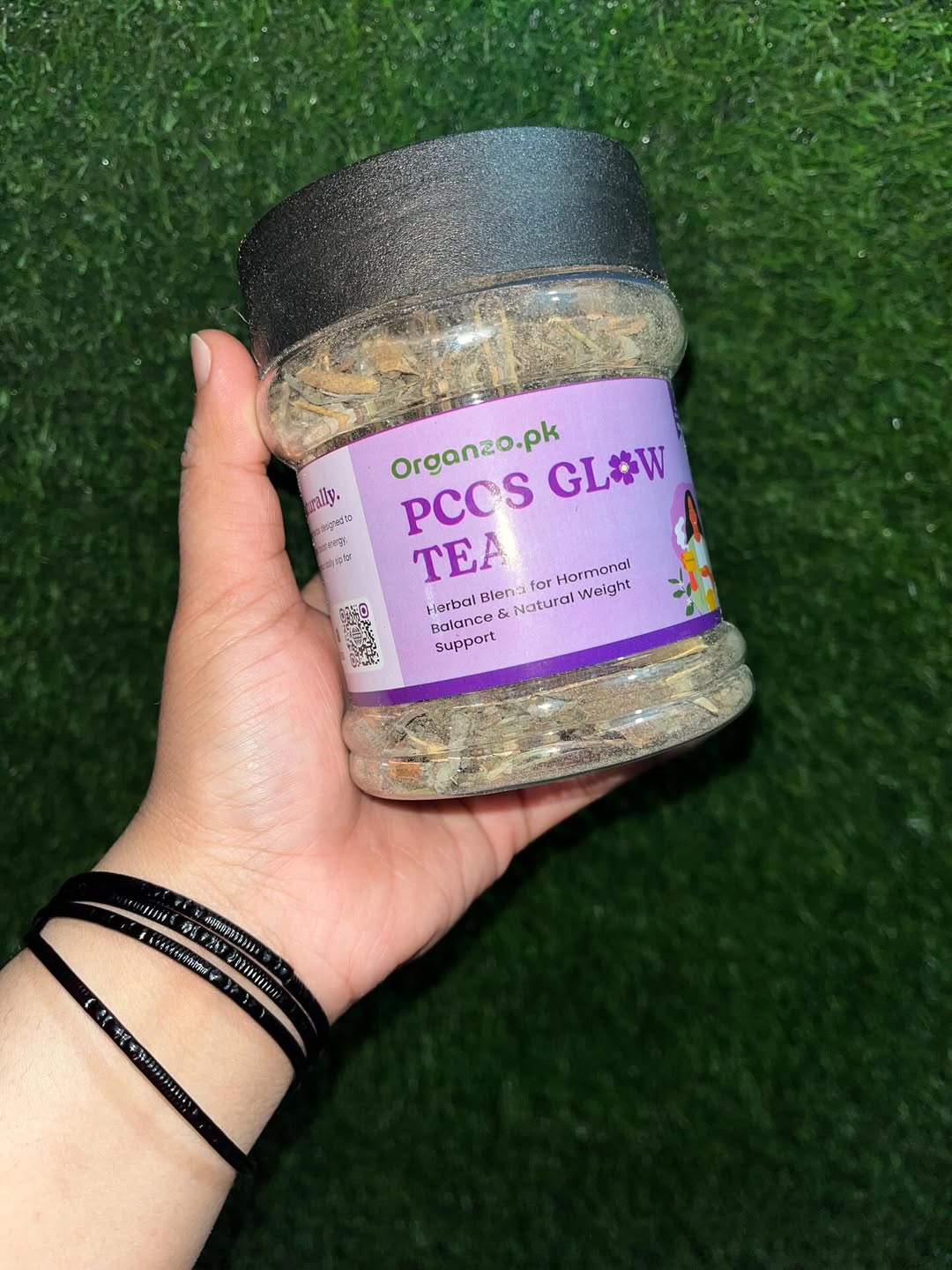
Fenugreek is one of four herbs in our PCOS Glow Tea. We describe what each one has and has not been shown to do in PCOS Glow Tea ingredients explained, and the broader picture is in our Ingredient Research and Sources page.
Frequently Asked Questions
One small open-label study of a concentrated fenugreek seed extract reported fewer ovarian cysts and more regular periods, but with no comparison group. There is no good evidence on methi dana as a tea or soaked in water.
Soaking seeds in water is a traditional kitchen preparation, but we have not found studies of it in PCOS. The same safety points apply: ask your doctor if you are pregnant or take diabetes medicines.
NCCIH says fenugreek is not safe in pregnancy in amounts greater than those found in food, and has been linked to birth defects in animals and people. Speak to your doctor first.
NCCIH says large doses may cause a harmful drop in blood sugar. If you have diabetes or take blood-sugar medicines, check with your doctor.
Sources
Follow-up compliance clinical investigation of the same fenugreek seed extract in women with PCOS
NCCIH (US National Institutes of Health): Fenugreek, usefulness and safety
More on how we choose and describe sources is on our Editorial Standards page, and our Ingredient Research and Sources page summarizes the herb studies. This article is general information, not medical advice.
Written by
I focus on organic living, digital strategy, and health education. Through my articles on Organzo, I share practical insights on herbal teas, PCOS wellness, and natural remedies to make healthy living simple for everyone.
Keep reading
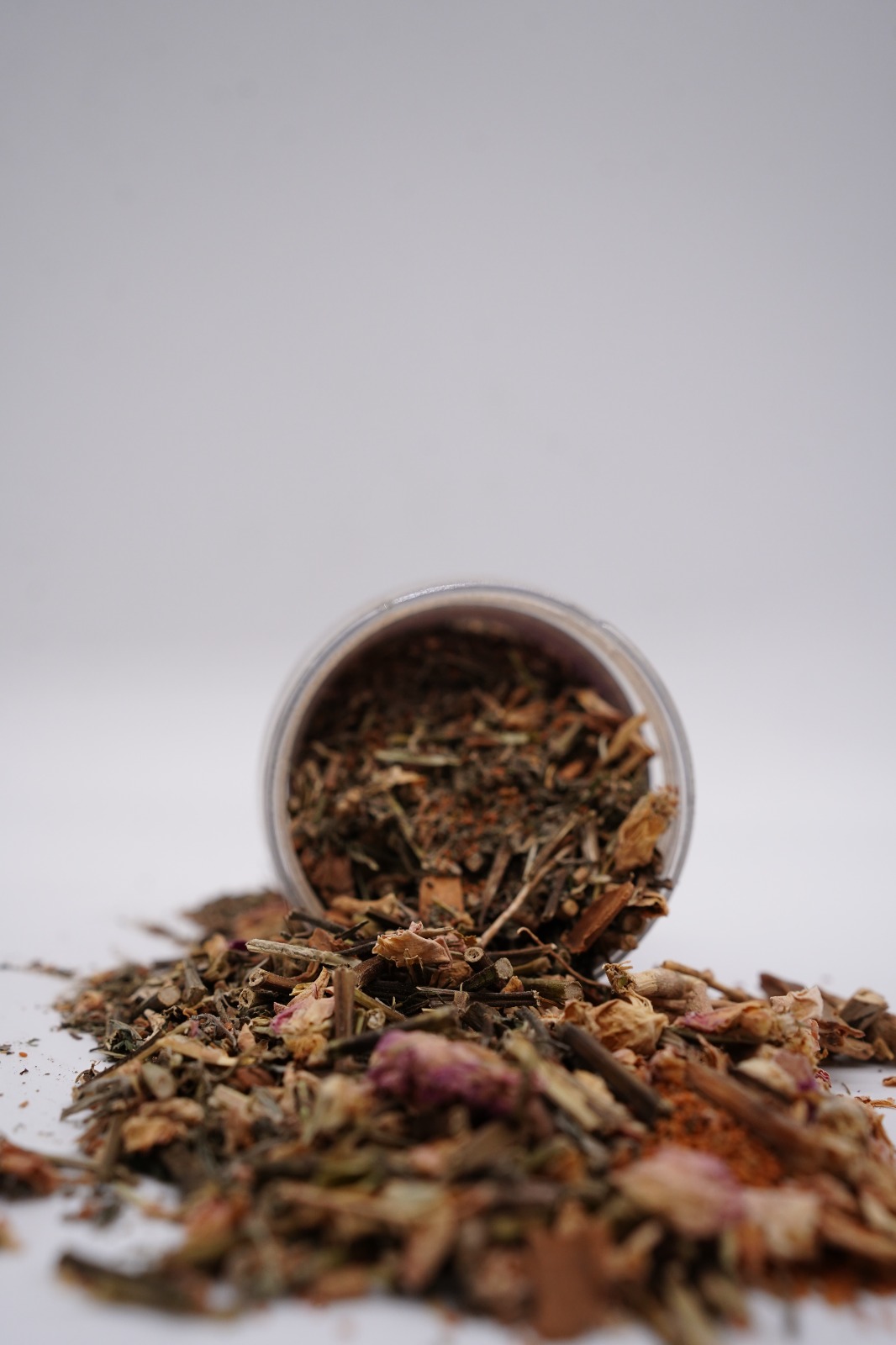
PCOS Glow Tea Ingredients Explained: Cinnamon, Shatavari, Fenugreek and Ashwagandha
What is actually in PCOS Glow Tea: what each of the four herbs is, how it is traditionally used, what research exists, and what we do not claim.
Spearmint vs Peppermint Tea: Taste, Chemistry and Which Was Studied for PCOS
Spearmint and peppermint are different plants with different flavour compounds. Here is how they differ, and why the PCOS studies used spearmint, not peppermint.
Shatavari: Traditional Uses, What Studies Exist and Safety Notes
Shatavari is a traditional Ayurvedic herb for women’s health. Here is what human trials actually exist, what they studied, and why none that we found were in PCOS.