Cinnamon and PCOS: What the Research Shows (and the Coumarin Catch)

By Khawaja Saad Aslam · · 4 min read
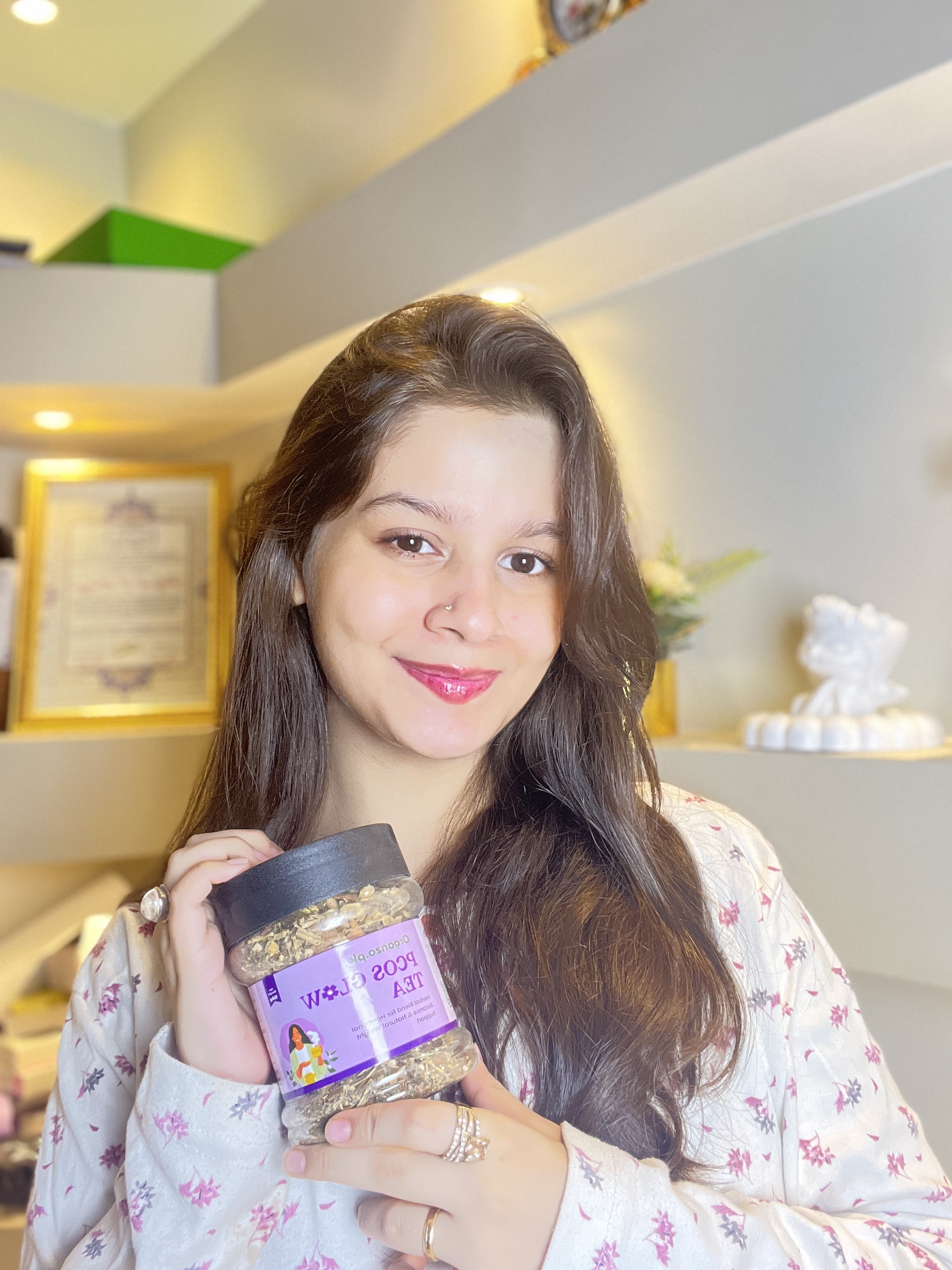
Quick answer: One placebo-controlled trial of 45 women with PCOS found that 1.5 g of cinnamon a day for six months improved menstrual cyclicity, and its authors called the evidence preliminary. Separately, cassia cinnamon contains coumarin, which can affect the liver in sensitive people. Germany’s BfR says a 60 kg adult reaches the tolerable daily intake from about 2 g of cassia cinnamon a day, and recommends Ceylon cinnamon for people who use a lot.
Cinnamon (dalchini or daar cheeni) is one of the most-mentioned ingredients in PCOS teas. This guide covers what has actually been studied, then the safety point most PCOS articles leave out.
The trial
In a randomized, placebo-controlled, double-blind trial published in the American Journal of Obstetrics and Gynecology in 2014, Daniel Kort and Roger Lobo gave 45 women with PCOS either 1.5 g of cinnamon supplement a day or a placebo for six months. The paper's title calls the result preliminary evidence that cinnamon improves menstrual cyclicity.
Read with care, that means: a single modest trial, in which a measured daily supplement dose was used, produced a result its own authors described as preliminary. It does not show that a cup of cinnamon tea regulates periods, and it does not tell us how much cinnamon is in a cup.
Two kinds of cinnamon, one important difference
Cinnamon sold as “dalchini” can be cassia or Ceylon cinnamon, and the word itself does not tell you which. According to the German Federal Institute for Risk Assessment (BfR):
| Cassia cinnamon | Ceylon cinnamon | |
|---|---|---|
| Coumarin content | Higher: about 3,000 mg per kg on average | Hardly any |
| What coumarin does | In especially sensitive people, even comparatively small amounts taken over a few weeks can raise liver enzymes and, in severe cases, inflame the liver; the effect is usually reversible | Contains hardly any coumarin, so the concern does not apply in the same way |
| Tolerable daily intake | 0.1 mg of coumarin per kg of body weight per day, which a 60 kg adult reaches with about 2 g of cassia cinnamon | Hardly any coumarin to count toward the limit |
| BfR advice | Consume in moderation | Recommended for people who regularly use large amounts of cinnamon powder |
What this means for a cup of cinnamon tea
How much cinnamon is in a cup depends on the blend and the recipe, and most brands do not publish it. For an occasional cup the amounts are small. The risk the BfR describes is about regular, large intakes, and the amounts add up if you also use cinnamon in cooking or take it as a supplement. If you drink several cups a day, or you have a liver condition or take medicines that affect the liver, it is worth checking:
which type of cinnamon the product contains (ask the seller if the label does not say);
roughly how much cinnamon is in one serving;
with your doctor or pharmacist, if you take medicines for diabetes or have a liver condition, before making any herbal product a daily habit.
Our PCOS Glow Tea lists cinnamon among its four herbs; our PCOS Glow Tea ingredients explained guide and who should avoid PCOS Glow Tea checklist explain what we say about each one, and you can message us to ask about the details before ordering.
The honest bottom line
Cinnamon has one small, preliminary trial in PCOS and a well-documented caution about one of its two main types. It is a reasonable ingredient in a herbal tea, but not a treatment, and the type and amount matter more than the marketing.
Frequently Asked Questions
One six-month trial of 45 women reported improved menstrual cyclicity with 1.5 g of cinnamon a day, and described it as preliminary. It does not prove that cinnamon regulates periods.
For most people an occasional cup is fine. The BfR cautions about regular, large intakes of cassia cinnamon because of coumarin. If you drink it daily in quantity or have liver concerns, check the type and speak to your doctor.
Ceylon contains hardly any coumarin, while cassia contains considerably more. The BfR recommends Ceylon for people who regularly use a lot of cinnamon. Neither type has been shown to treat PCOS.
Dalchini and daar cheeni are general Urdu names for cinnamon. The name does not tell you whether it is cassia or Ceylon, so check the label or ask the seller.
Sources
Coumarin figures are the BfR’s published values. More on how we choose and describe sources is on our Editorial Standards page, and our Ingredient Research and Sources page summarizes the herb studies. This article is general information, not medical advice.
Written by
I focus on organic living, digital strategy, and health education. Through my articles on Organzo, I share practical insights on herbal teas, PCOS wellness, and natural remedies to make healthy living simple for everyone.
Keep reading
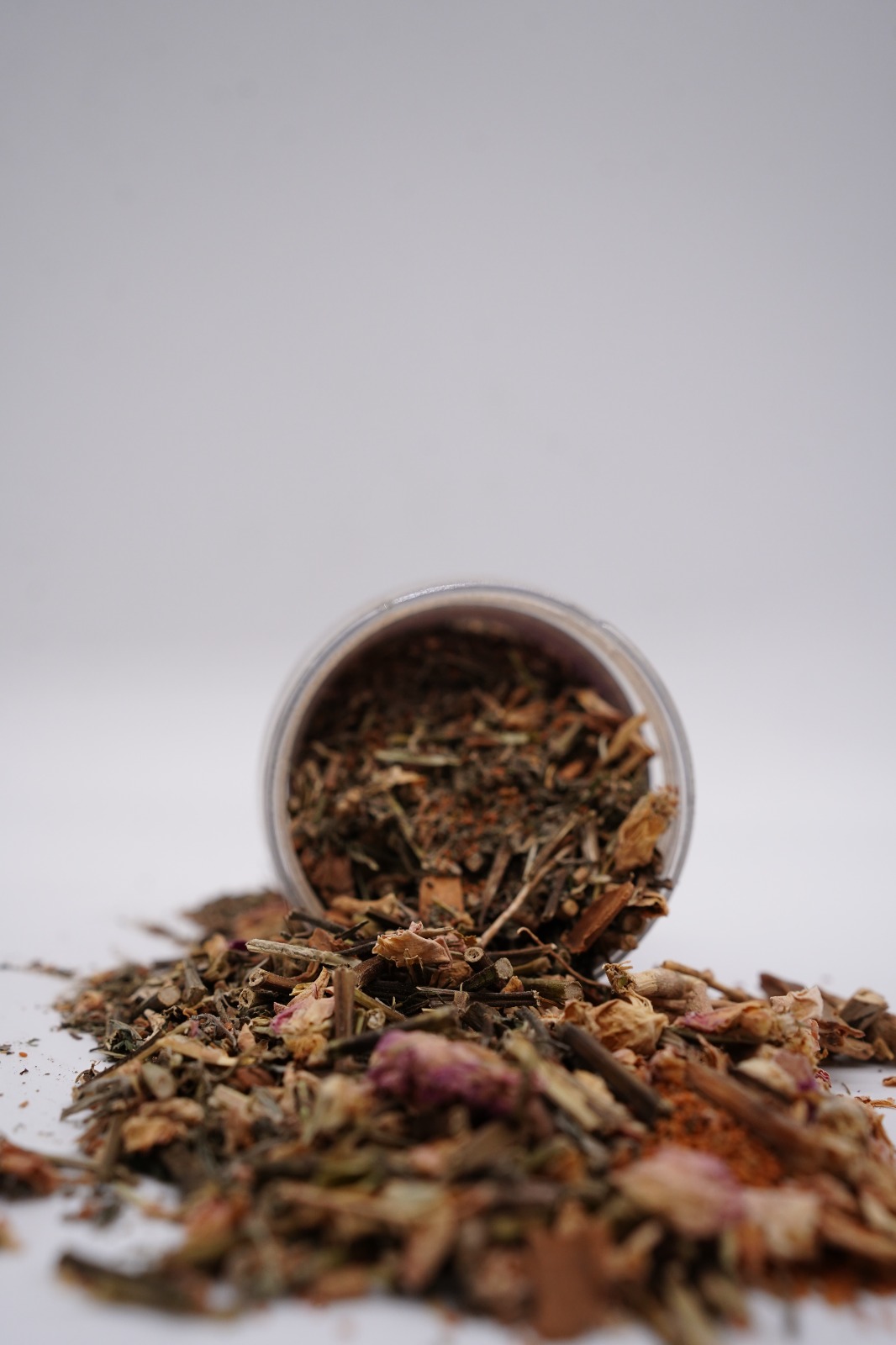
PCOS Glow Tea Ingredients Explained: Cinnamon, Shatavari, Fenugreek and Ashwagandha
What is actually in PCOS Glow Tea: what each of the four herbs is, how it is traditionally used, what research exists, and what we do not claim.
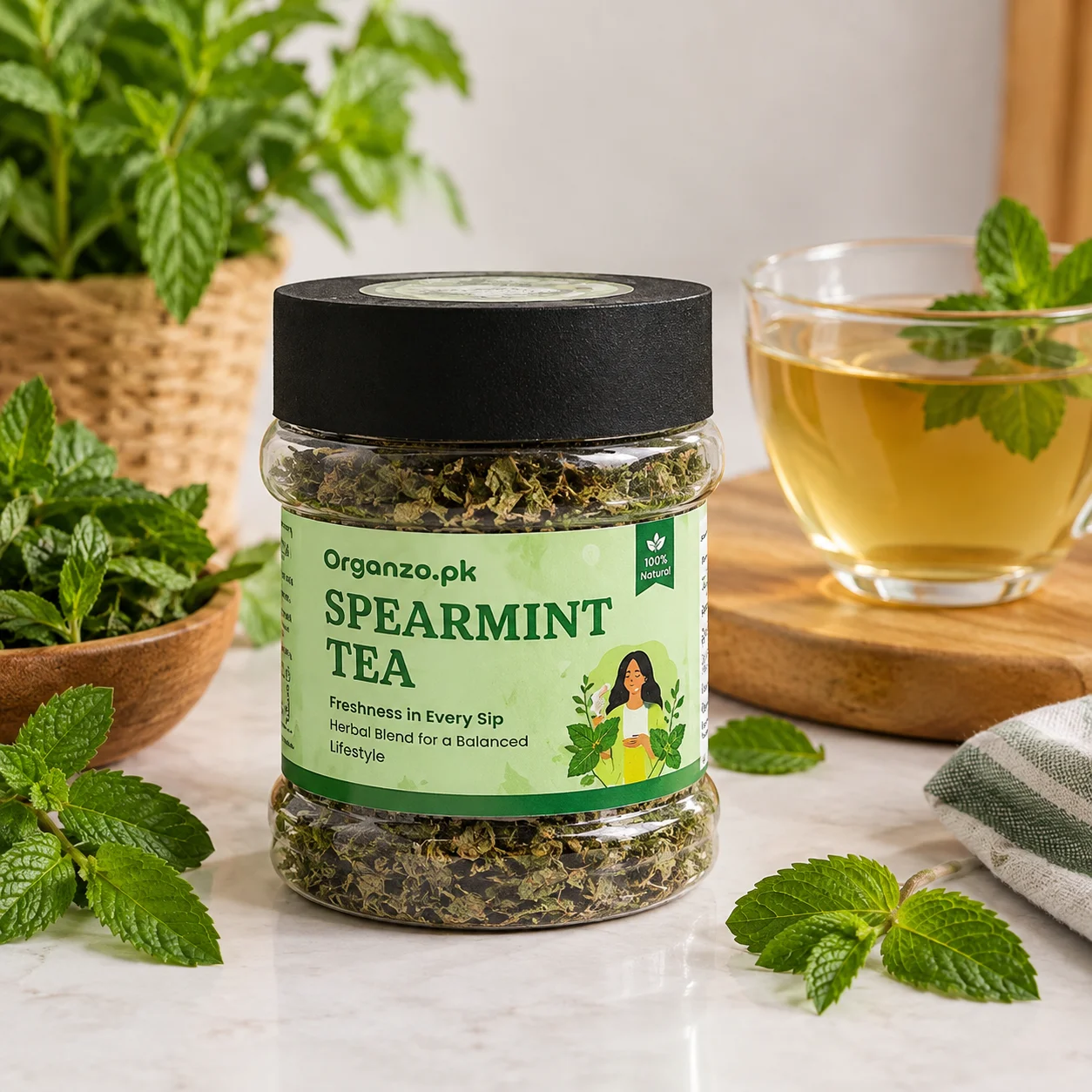
Spearmint vs Peppermint Tea: Taste, Chemistry and Which Was Studied for PCOS
Spearmint and peppermint are different plants with different flavour compounds. Here is how they differ, and why the PCOS studies used spearmint, not peppermint.
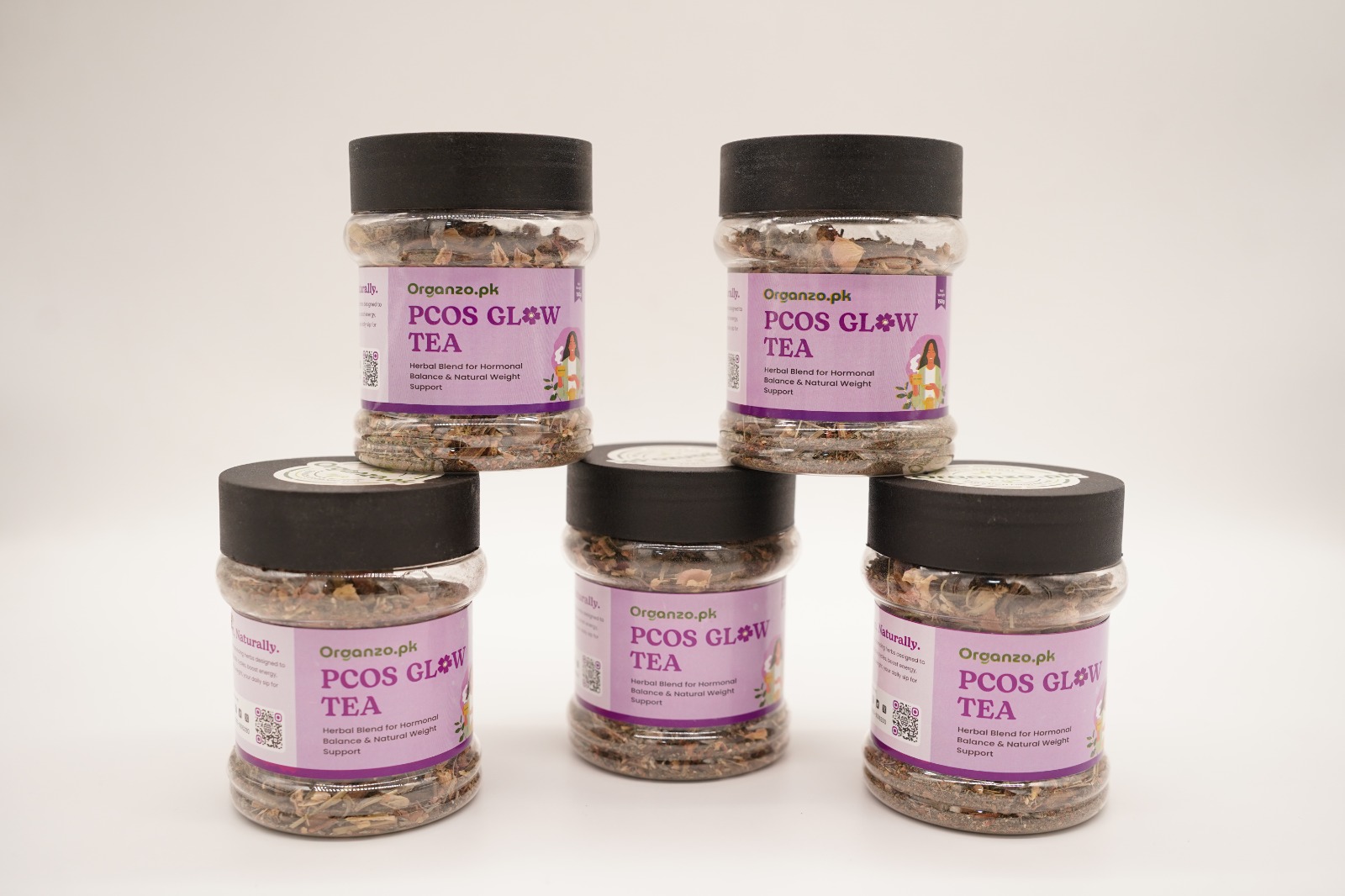
Shatavari: Traditional Uses, What Studies Exist and Safety Notes
Shatavari is a traditional Ayurvedic herb for women’s health. Here is what human trials actually exist, what they studied, and why none that we found were in PCOS.