Shatavari: Traditional Uses, What Studies Exist and Safety Notes

By Khawaja Saad Aslam · · 3 min read
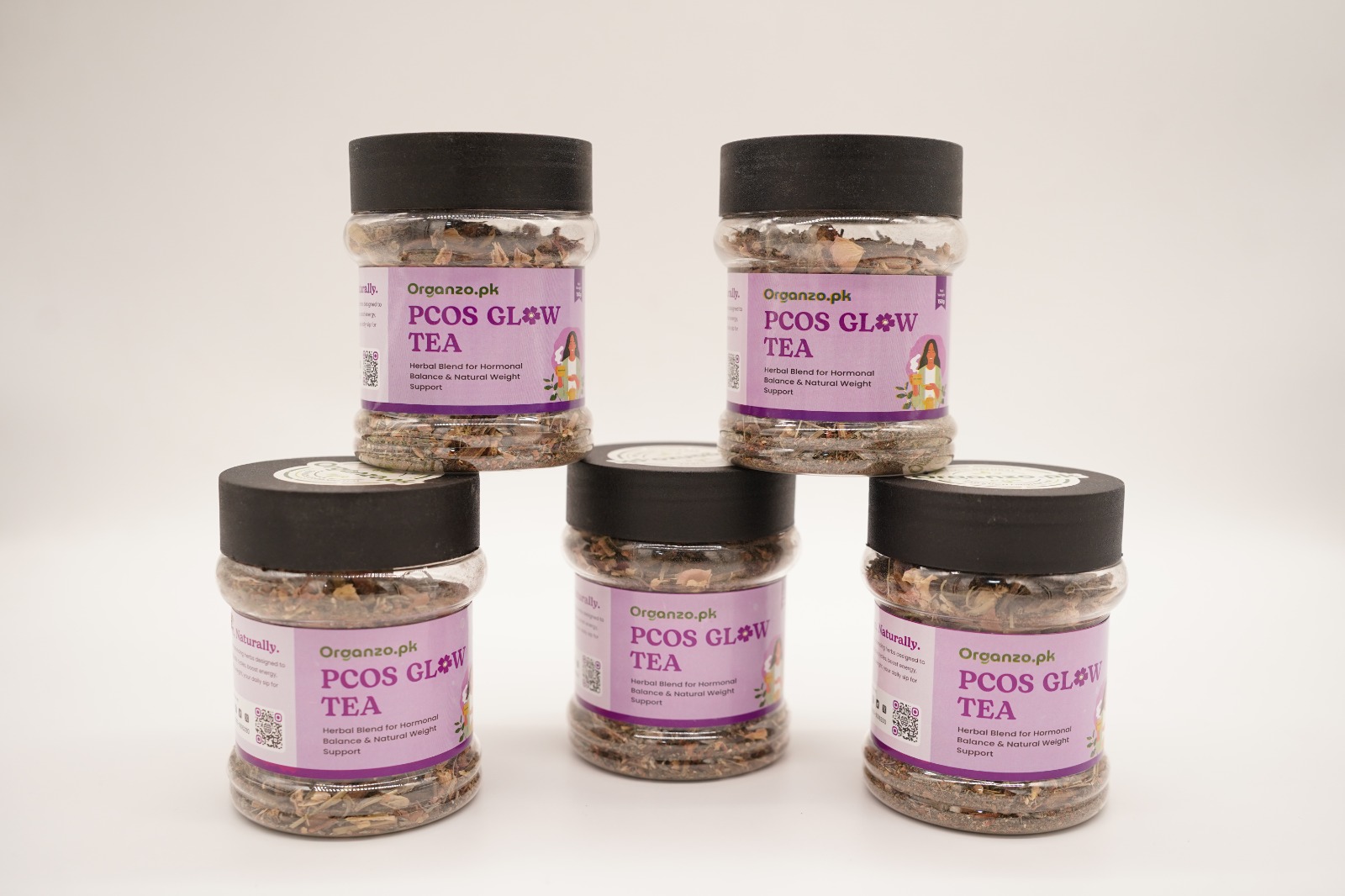
Quick answer: Shatavari (Asparagus racemosus) has a long history in Ayurveda as a herb for women’s reproductive health. Human trials we found tested root extracts for postpartum lactation and for menopausal symptoms, not for PCOS. As of October 2026 we did not find a controlled human trial of shatavari in PCOS, so its place in a PCOS tea rests on traditional use, not on PCOS trial results.
Shatavari is the least-studied of the four herbs in our PCOS Glow Tea, and we think you deserve a straight account of that. This page sets out what is known and what is not.
What it is and how it is traditionally used
Shatavari, often called wild asparagus or Indian asparagus, is a climbing plant whose roots are used in Ayurvedic medicine. Traditionally it has been used to support women's reproductive health and to support milk production in nursing mothers. It is often described as having plant-oestrogen-like (phytoestrogenic) activity, which is one reason people with hormone-sensitive conditions should check with a doctor before using it.
What human trials exist
When we searched for human trials in October 2026, the ones we found looked at other outcomes, and all used root extracts rather than tea:
| Outcome studied | Type of study | Relevance to PCOS |
|---|---|---|
| Postpartum lactation (breast milk) | Randomised, double-blind, placebo-controlled study of a root extract | None directly |
| Menopausal symptoms | Double-blind, multicenter, randomized controlled trial of a root extract | None directly |
| PCOS | We did not find a controlled human trial | This is the gap |
How to weigh that
Traditional use over many centuries is not nothing: it is a reason to be interested. But it is not evidence that a herb treats a particular condition today, and trials of extracts for lactation or menopause cannot be carried over to PCOS or to a cup of tea. That is why our Ingredient Research and Sources page says plainly that we found no PCOS trial of shatavari, and why we describe our tea as a herbal product rather than a treatment.
Safety
We did not find an authoritative safety summary for shatavari of the kind the US NIH publishes for ashwagandha and fenugreek, so the sensible default is caution. Speak to your doctor first if you:
are pregnant, trying to conceive or breastfeeding;
have a hormone-sensitive condition;
take regular medicines;
develop a rash, swelling or any unusual reaction after drinking it, in which case stop and seek care.
For the other three herbs in the blend see cinnamon and PCOS, fenugreek (methi dana) and PCOS and ashwagandha (asgandh), and for the full checklist see who should avoid PCOS Glow Tea.
Frequently Asked Questions
Traditionally in Ayurveda it is used for women’s reproductive health and to support milk production. Human trials we found studied lactation and menopausal symptoms using root extracts.
We did not find a controlled human trial of shatavari in PCOS. Its use for PCOS rests on traditional use, not on trial evidence.
We did not find an authoritative safety summary, so speak to your doctor before using it while pregnant or breastfeeding.
It is a close botanical relative: Asparagus racemosus is a different species from the garden asparagus eaten as a vegetable, and it is the root that is used in herbal medicine.
Sources
These two trials are cited to show what has been studied; they are not studies of PCOS. More on how we choose and describe sources is on our Editorial Standards page, and our Ingredient Research and Sources page summarizes the herb studies. This article is general information, not medical advice.
Written by
I focus on organic living, digital strategy, and health education. Through my articles on Organzo, I share practical insights on herbal teas, PCOS wellness, and natural remedies to make healthy living simple for everyone.
Keep reading
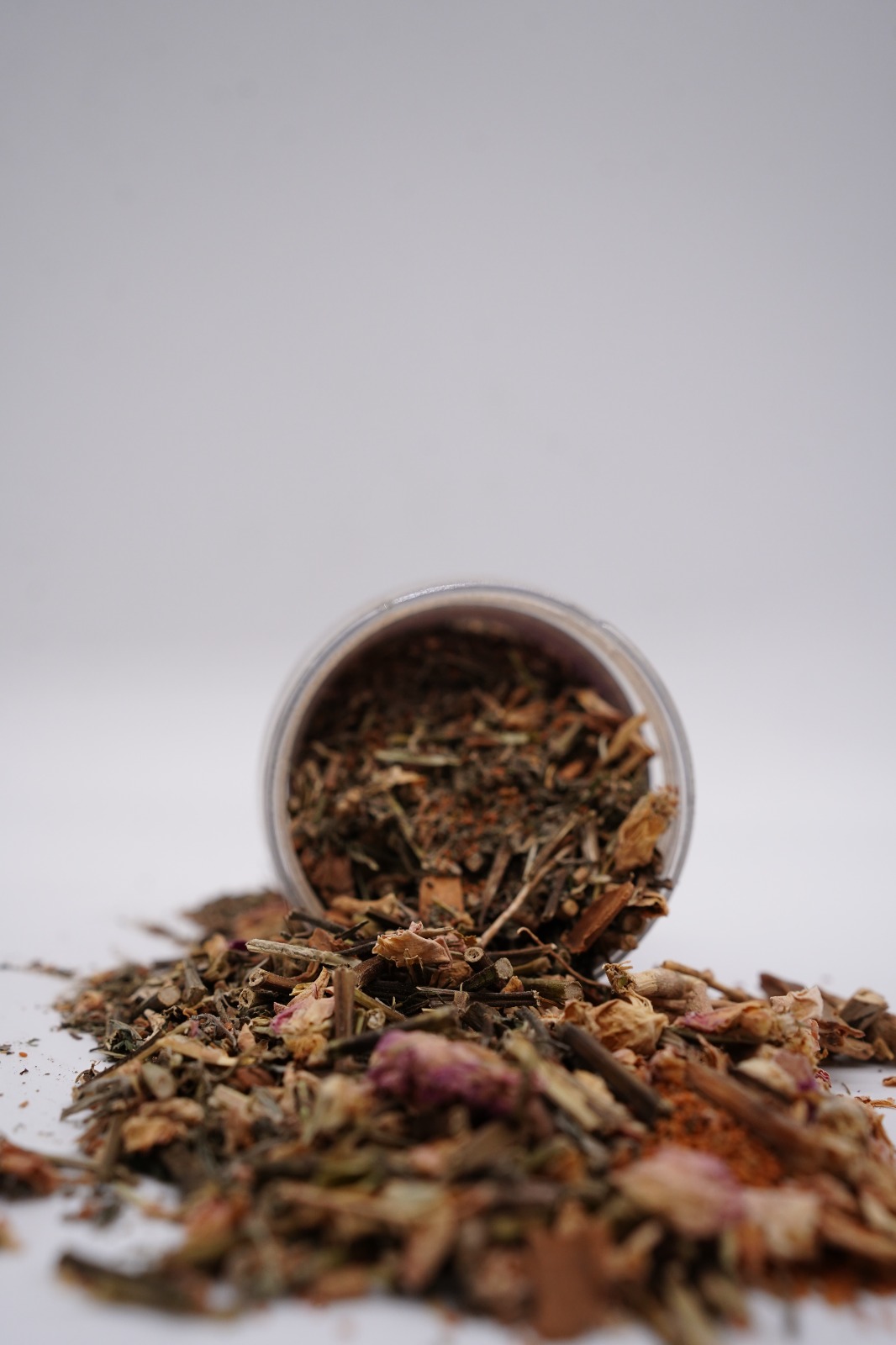
PCOS Glow Tea Ingredients Explained: Cinnamon, Shatavari, Fenugreek and Ashwagandha
What is actually in PCOS Glow Tea: what each of the four herbs is, how it is traditionally used, what research exists, and what we do not claim.
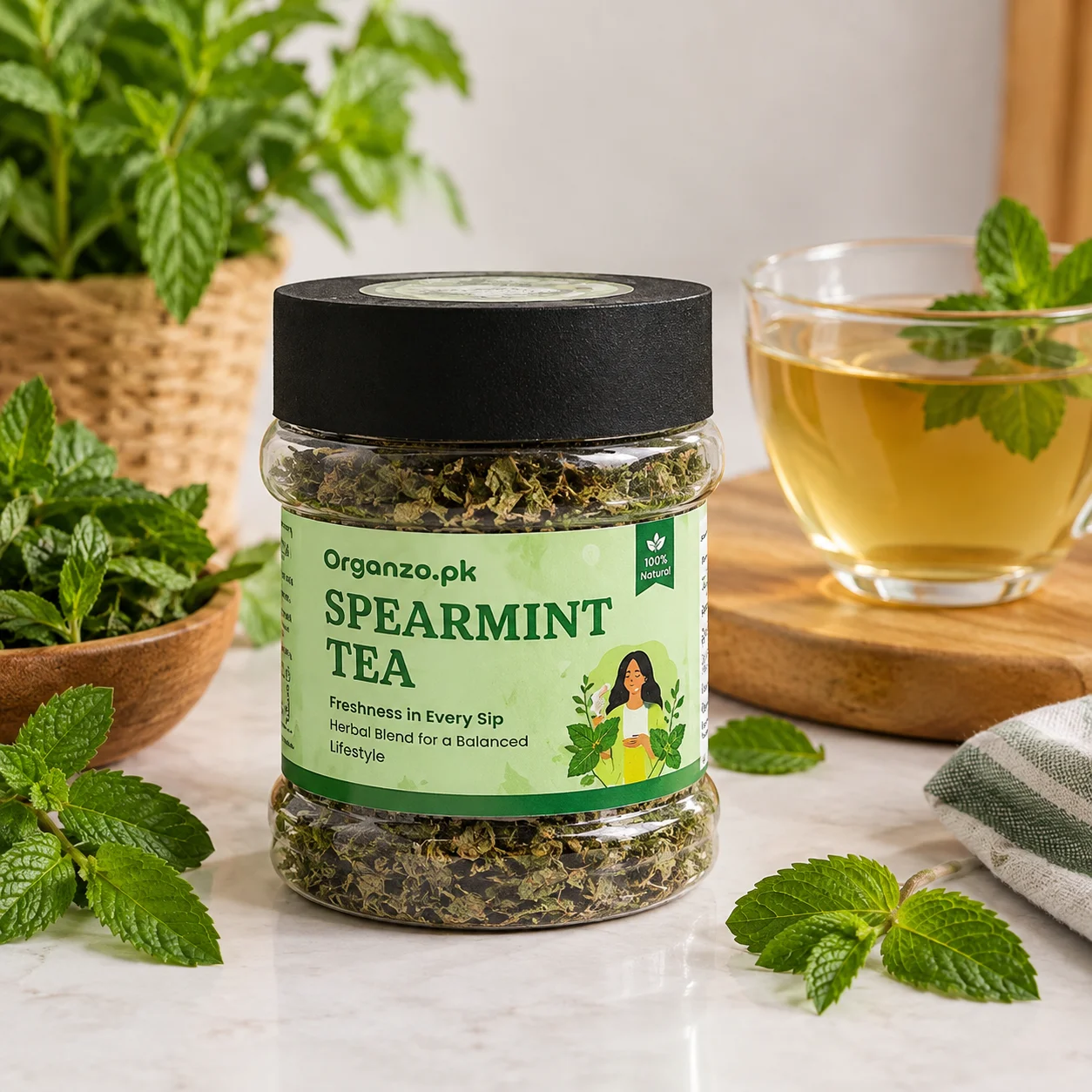
Spearmint vs Peppermint Tea: Taste, Chemistry and Which Was Studied for PCOS
Spearmint and peppermint are different plants with different flavour compounds. Here is how they differ, and why the PCOS studies used spearmint, not peppermint.
Ashwagandha (Asgandh) for Women: What Studies Show, Safety and Who Should Avoid It
What the US NIH says about ashwagandha: where there is some evidence, where there is not enough, and who should avoid it, including pregnancy, thyroid conditions and certain medicines.