Who Should Not Drink PCOS Glow Tea? A Safety Checklist

By Khawaja Saad Aslam · · 4 min read
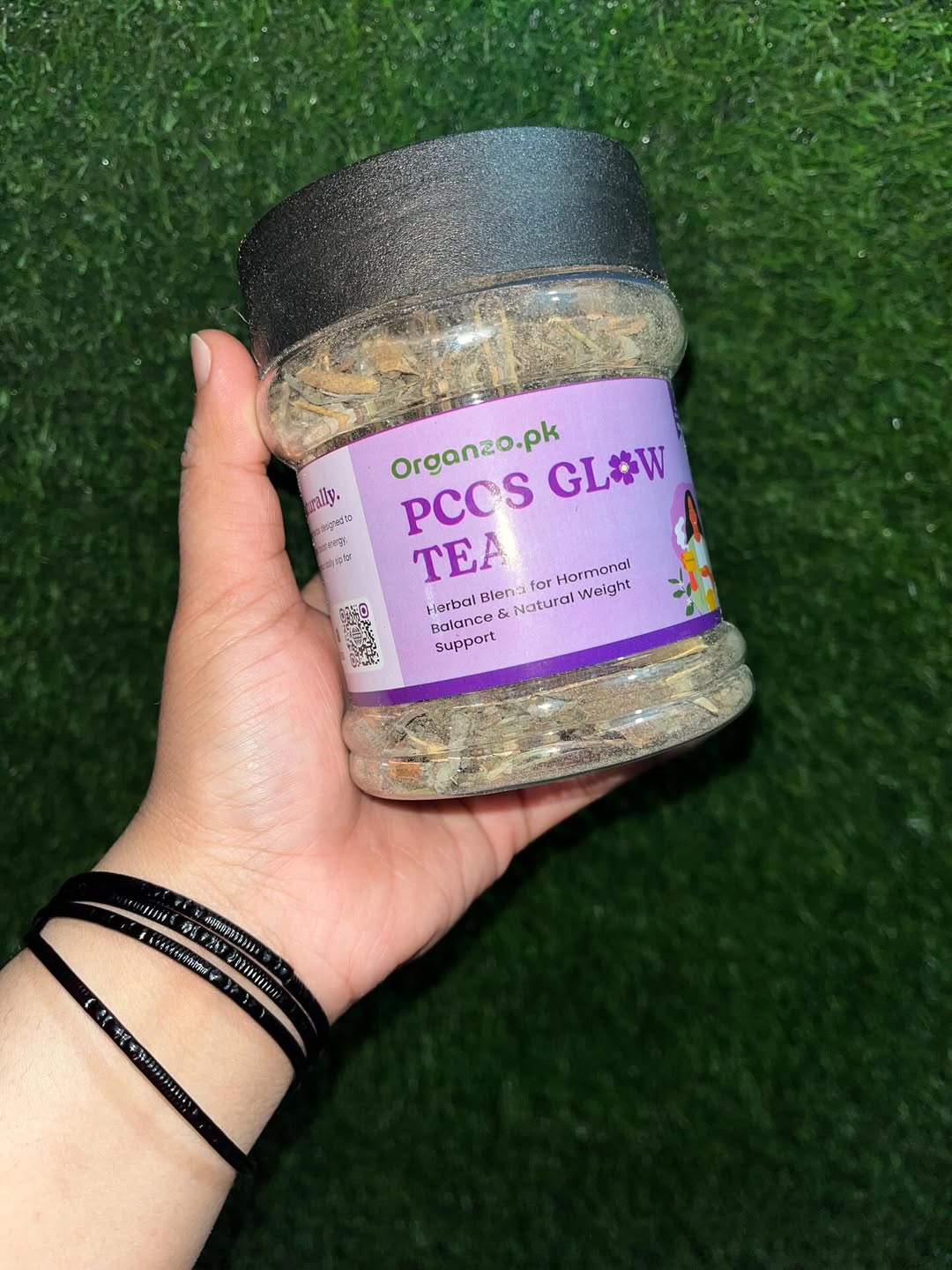
Quick answer: Speak to a doctor before drinking PCOS Glow Tea if you are pregnant, trying to conceive or breastfeeding; have a thyroid or liver condition; take medicines for diabetes, blood pressure, seizures or the immune system, or sedatives or thyroid or hormone medicines; or are allergic to fenugreek. These cautions come from the US NIH’s safety summaries for ashwagandha and fenugreek and the German BfR’s assessment of cinnamon.
Note on ingredients: this guide covers the four named herbs: cinnamon, shatavari, fenugreek and ashwagandha. The product page also lists “special herbal ingredients” without naming them. If you are pregnant, breastfeeding, allergic or taking medicine, ask us for the full ingredient list before you drink it.
Our PCOS Glow Tea is made from four herbs: cinnamon, shatavari, fenugreek and ashwagandha. Most healthy adults can drink herbal tea without trouble, but each of those herbs comes with cautions for particular groups. We would rather you read them here than discover them later, so this is the full checklist with the reason and the source for each.
The checklist
| If you… | Why to check first | Source |
|---|---|---|
| Are pregnant or trying to conceive | Ashwagandha should be avoided in pregnancy; fenugreek is not safe in pregnancy above food amounts | NCCIH |
| Are breastfeeding | Ashwagandha should not be used while breastfeeding | NCCIH |
| Have a thyroid condition or take thyroid medicine | Ashwagandha is not recommended for thyroid disorders and may interact with thyroid hormone medicines | NCCIH |
| Have a liver condition or take medicines that affect the liver | Rare cases of liver injury have been linked to ashwagandha supplements, and cassia cinnamon contains coumarin, which can affect the liver in sensitive people | NCCIH; BfR |
| Have diabetes or take blood-sugar medicines | Large doses of fenugreek may cause a harmful drop in blood sugar; our own safety notes also flag cinnamon | NCCIH; Organzo safety notes |
| Take blood-pressure medicines, sedatives, anticonvulsants or immunosuppressants | Ashwagandha may interact with these | NCCIH |
| Are allergic to fenugreek, or have a history of serious allergies | Fenugreek can cause allergic reactions, including serious ones | NCCIH |
| Take hormone medicines, including the contraceptive pill | Herbal blends can occasionally interact with medicines; ask your doctor or pharmacist | Organzo safety notes |
What to do
Show your doctor or pharmacist the ingredient list: cinnamon, shatavari, fenugreek and ashwagandha.
If you are on regular medicine, ask whether any of those herbs could interact with it.
Stop drinking the tea and seek medical advice if you notice an unusual reaction, such as a rash, swelling, difficulty breathing, severe stomach upset, yellowing of the skin or eyes, or marked drowsiness.
Keep taking any prescribed treatment unless your doctor tells you otherwise.
How long is it reasonable to keep drinking it?
NCCIH says short-term ashwagandha use of up to about 3 months appears safe, and that there is not enough information on long-term safety. We suggest drinking our tea consistently for around 30 days. If you want to keep drinking it for more than a few months, ask your doctor, especially if you have a health condition.
Who it is for
Our teas are intended for adults. We have no safety data for people under 18, so ask a doctor before giving it to a teenager.
For the herbs one by one, see cinnamon and PCOS, fenugreek (methi dana) and PCOS, ashwagandha (asgandh) and shatavari. For pregnancy specifically, see herbal tea when pregnant or trying to conceive.
Frequently Asked Questions
Most healthy adults can drink herbal tea daily, but this blend has cautions for specific groups (see the checklist). NCCIH says short-term ashwagandha use of up to about 3 months appears safe and long-term data are lacking, so ask your doctor about long-term daily use.
Ask your doctor or pharmacist before combining them. Metformin lowers blood sugar, and NCCIH says large doses of fenugreek may also lower blood sugar.
Our products are intended for adults and we have no safety data for under-18s. Ask a doctor first.
NCCIH lists diarrhoea, nausea and other digestive symptoms for fenugreek, and drowsiness, stomach upset, diarrhoea and vomiting for ashwagandha. Allergic reactions are possible. Stop and seek advice if you notice anything unusual.
Sources
NCCIH (US National Institutes of Health): Ashwagandha, usefulness and safety
NCCIH (US National Institutes of Health): Fenugreek, usefulness and safety
German Federal Institute for Risk Assessment (BfR): FAQ on coumarin in cinnamon and other foods
Safety notes marked “Organzo” are from the safety notes on our product page. More on how we choose and describe sources is on our Editorial Standards page, and our Ingredient Research and Sources page summarizes the herb studies. This article is general information, not medical advice.
Written by
I focus on organic living, digital strategy, and health education. Through my articles on Organzo, I share practical insights on herbal teas, PCOS wellness, and natural remedies to make healthy living simple for everyone.
Keep reading
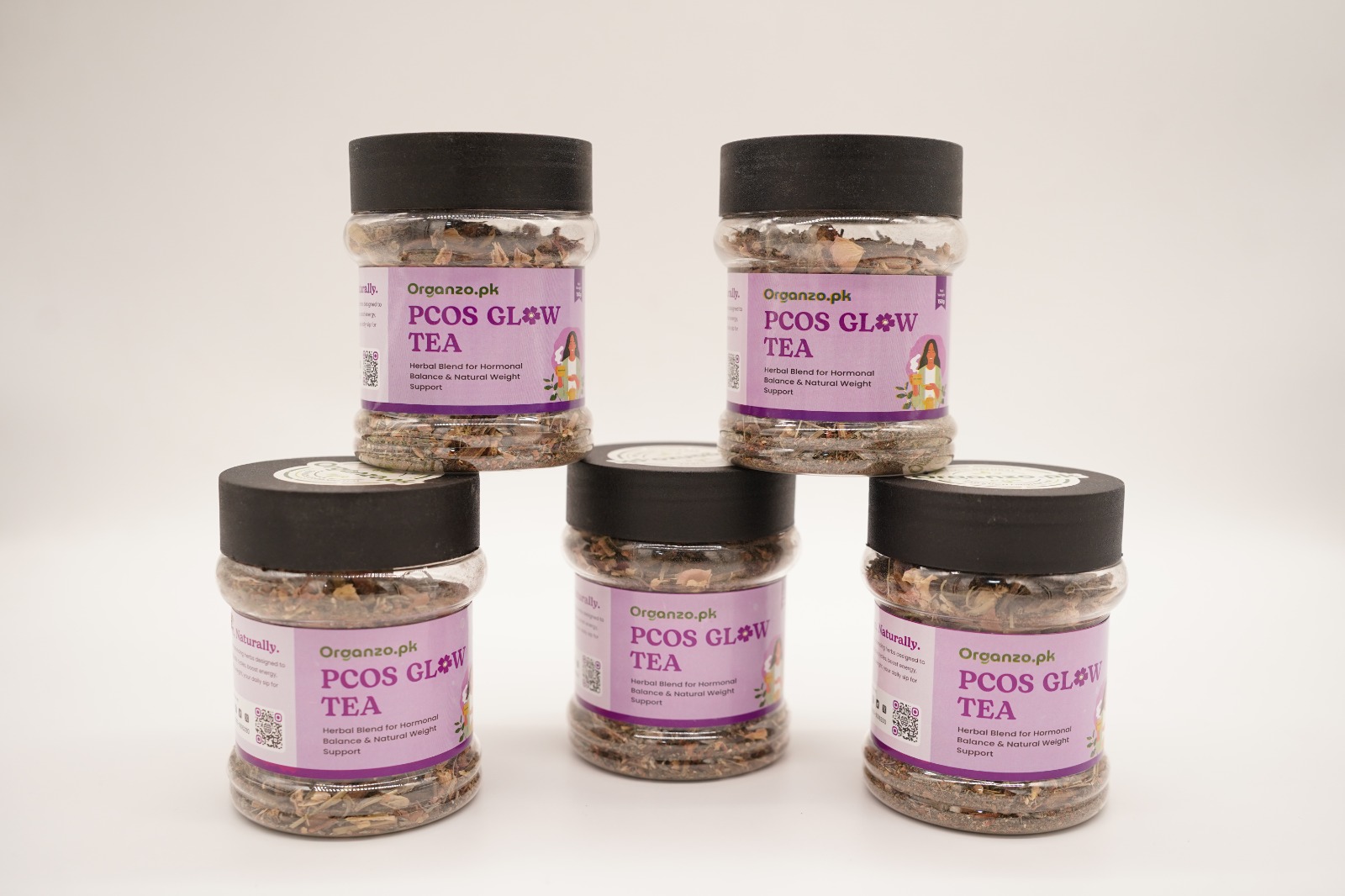
How to Make and Drink PCOS Glow Tea: Steps, Timing and Tips
How to brew PCOS Glow Tea properly: the right water temperature and steeping time, how many cups a day, when to drink it and what to realistically expect.
Herbal Tea When Pregnant or Trying to Conceive: What to Check First
What the NHS says about herbal tea and caffeine in pregnancy, which herbs carry pregnancy warnings, and why “natural” and “caffeine-free” do not automatically mean safe.
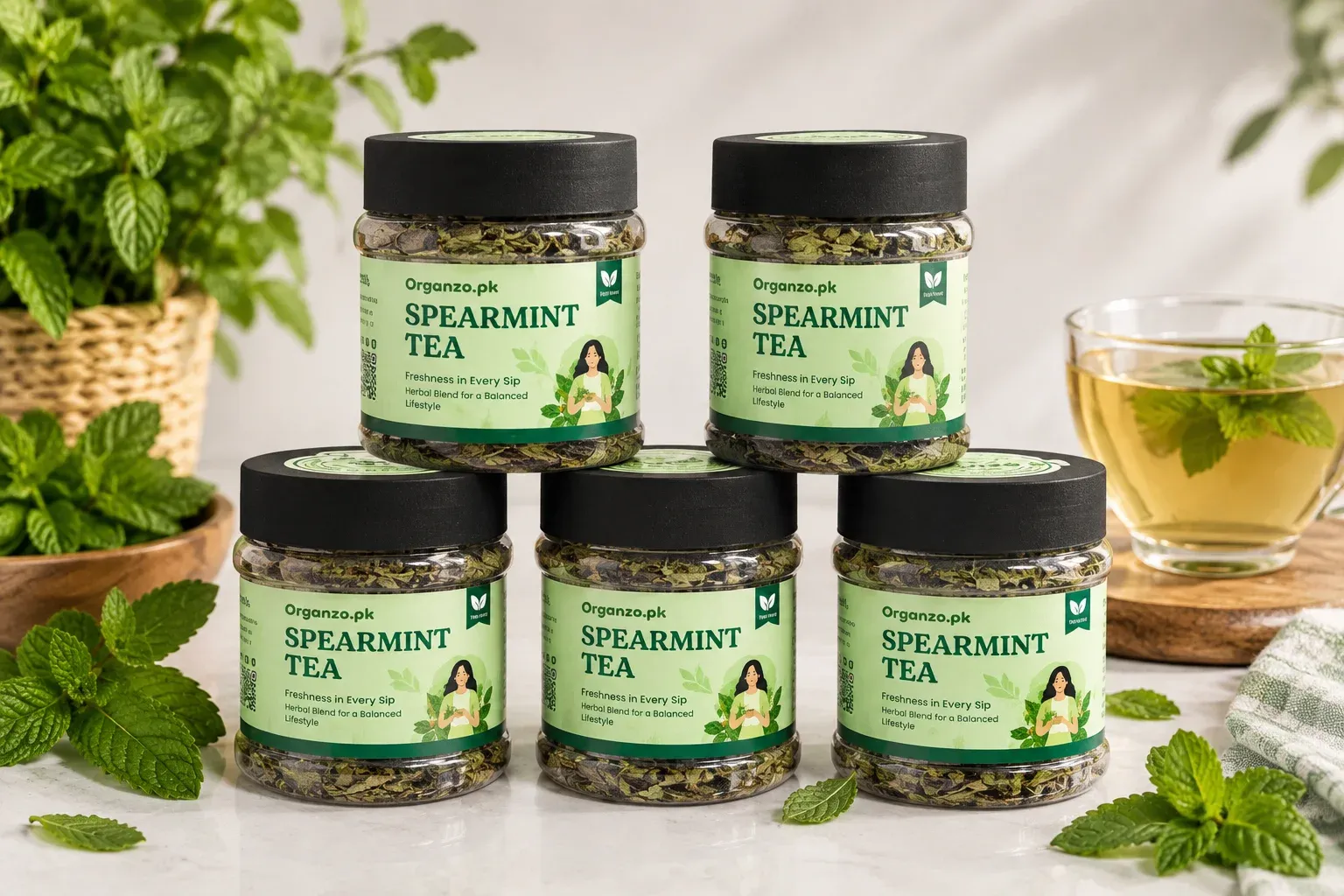
Can Men Drink Spearmint Tea? What We Know and Don’t
Studies of spearmint tea enrolled women and found lower testosterone. Here is what that does and does not tell us about men, and when to check with a doctor.