What Is PCOS? Symptoms, Diagnosis and When to See a Doctor

By Khawaja Saad Aslam · · 5 min read
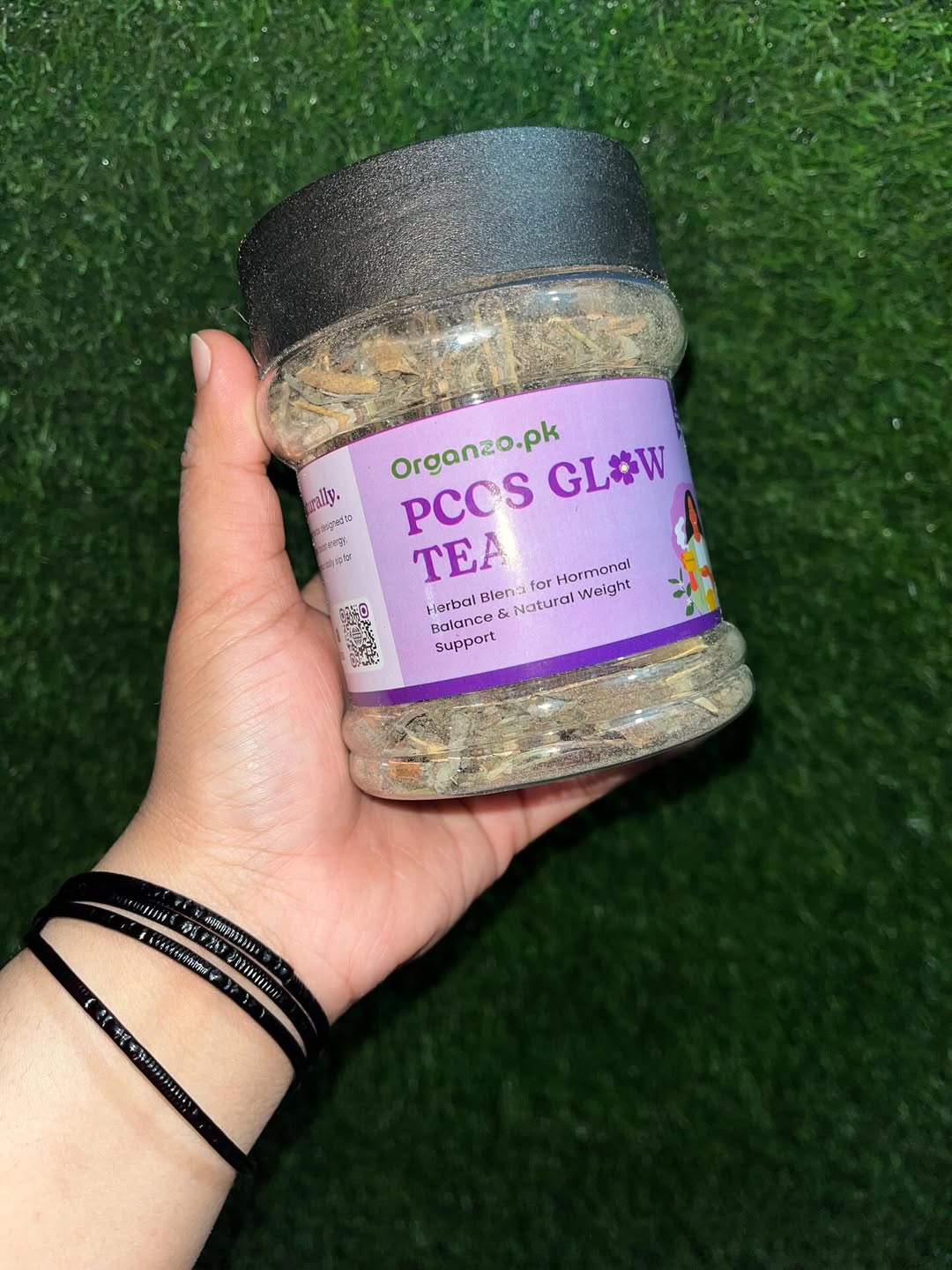
Quick answer: PCOS (polycystic ovary syndrome) is a common hormonal condition that can cause irregular periods, extra facial or body hair, acne and difficulty conceiving. The World Health Organization estimates it affects 10–13% of women of reproductive age, and that up to 70% of those affected do not know they have it. Only a doctor can diagnose it, usually when at least two of three features are present: irregular or absent ovulation, signs of high androgens (male-type hormones), and polycystic-looking ovaries on an ultrasound.
If you have ever searched your symptoms late at night and landed on a dozen conflicting answers, this guide is for you. It explains in plain language what PCOS is, how it is diagnosed, what the numbers look like in Pakistan, and when it is worth booking an appointment. It is general information, not a diagnosis.
What PCOS is
The US National Institute of Child Health and Human Development (NICHD) describes PCOS as a group of symptoms linked to a hormonal imbalance, one that can affect metabolism, the menstrual cycle, fertility and the heart and blood vessels. Researchers do not know the exact cause; genetic and environmental factors both appear to play a part.
The name comes from the ovaries. In some women an ultrasound shows clusters of small follicles that have stopped developing. But because a diagnosis only needs two of the three features listed above, a woman can have PCOS without those follicle clusters showing on a scan.
Common symptoms
PCOS looks different from one woman to the next. The signs listed by the NHS and NICHD include:
Irregular periods, or no periods at all
Difficulty getting pregnant
Extra hair on the face or body (hirsutism)
Acne and oily skin
Thinning hair on the scalp
Weight gain
Darker patches of skin
Insulin resistance, which is a blood-test finding rather than something you can feel
Some women mainly notice irregular periods; others mainly notice hair and skin changes. NHS 111 Wales notes that symptoms typically appear in the late teens or early twenties.
How PCOS is diagnosed
A doctor will usually go through your symptoms and periods, check your blood pressure and order hormone blood tests. You may also be sent for a pelvic ultrasound. A diagnosis needs at least two of these three features:
| Feature | What it means | How it is checked |
|---|---|---|
| Irregular or absent ovulation | Light, infrequent or missed periods | Your period history |
| Signs of high androgens | Excess facial or body hair, acne, or raised androgen levels in the blood | Examination and blood tests |
| Polycystic-looking ovaries | Clusters of small follicles on one or both ovaries | Pelvic ultrasound |
Many of these signs overlap with other conditions, which is why a symptom checklist from the internet, this one included, cannot tell you whether you have PCOS. A doctor's assessment can.
PCOS in Pakistan: what the numbers show, and what they don't
Worldwide, WHO puts PCOS at 10–13% of reproductive-age women. Figures reported in Pakistan vary a lot depending on who was studied. One small hospital-based study of 200 women aged 16–40 reported PCOS in 48.5% of participants using the Rotterdam criteria. Hospital samples over-represent women who already have symptoms, so that is not a national figure.
A 2023 survey of 646 female undergraduates at Pakistani institutions found that 18.3% reported having PCOS. It also found gaps in knowledge: 67.3% of participants said they had never discussed PCOS with a doctor, and the main barriers reported were lack of self-knowledge (31.6%) and shyness or reluctance (21.4%).
That last point matters. If embarrassment is what is stopping you from asking, you are in good company, and it is not a reason to wait.
What treatment usually involves
There is no cure for PCOS, but its symptoms can be treated. The NHS lists lifestyle changes (for women who are overweight, losing about 5% of body weight can significantly improve symptoms), medicines for periods, fertility and unwanted hair, and, when medicines do not work, a minor surgical procedure. We cover the options in Can PCOS Be Cured?
When to see a doctor
Your periods are irregular, very infrequent or have stopped
You have been trying to conceive without success
You have noticeable new hair growth on the face or body
Acne, scalp hair thinning or weight changes are worrying you
You are unsure whether what you are noticing is normal
A gynaecologist or a general physician you trust is a good place to start. Bringing a short note of your period dates and symptoms makes the appointment far more useful.
Where herbal tea fits
Herbal tea cannot diagnose or treat PCOS. If you are curious about what is and is not known about tea and PCOS, our PCOS tea guide and Ingredient Research and Sources pages go through it without the hype.
Frequently Asked Questions
There is no cure, but the symptoms can be treated, and many women manage PCOS well with lifestyle changes and medicines tailored to what bothers them most. See our guide Can PCOS Be Cured? for the options.
No. A diagnosis needs at least two of three features, so you can be diagnosed without polycystic-looking ovaries on a scan.
PCOS can make ovulation irregular, and WHO lists it among the leading causes of difficulty conceiving, but pregnancy is possible for many women with PCOS, sometimes with medical help. A gynaecologist can advise on your situation.
You will hear both terms in Pakistan and India. Medical guidelines and the sources on this page use PCOS. If your doctor uses either term, ask which findings the diagnosis is based on.
Sources
World Health Organization: Polycystic ovary syndrome fact sheet
NICHD (US National Institutes of Health): About polycystic ovary syndrome
Knowledge, attitude, and perceptions about PCOS among Pakistani undergraduate students (2023)
More on how we choose and describe sources is on our Editorial Standards page, and our Ingredient Research and Sources page summarizes the herb studies. This article is general information, not medical advice.
Written by
I focus on organic living, digital strategy, and health education. Through my articles on Organzo, I share practical insights on herbal teas, PCOS wellness, and natural remedies to make healthy living simple for everyone.
Keep reading
PCOS and Facial Hair: What Helps and What Studies Say
Why PCOS can cause facial and body hair, what medical and cosmetic options exist, and an honest look at what the spearmint tea studies did and did not show.
Can PCOS Be Cured? What Treatment Actually Looks Like
PCOS cannot be cured, but its symptoms can be treated. Here is what treatment usually involves, where herbal products fit, and the questions worth asking your doctor.
PCOS Diet in Pakistan: A Practical Guide to Desi Meals
There is no single best PCOS diet, but there are sensible ways to build desi meals around daal, whole-wheat roti, sabzi and protein. Here is what the evidence supports.