Can PCOS Be Cured? What Treatment Actually Looks Like

By Khawaja Saad Aslam · · 4 min read
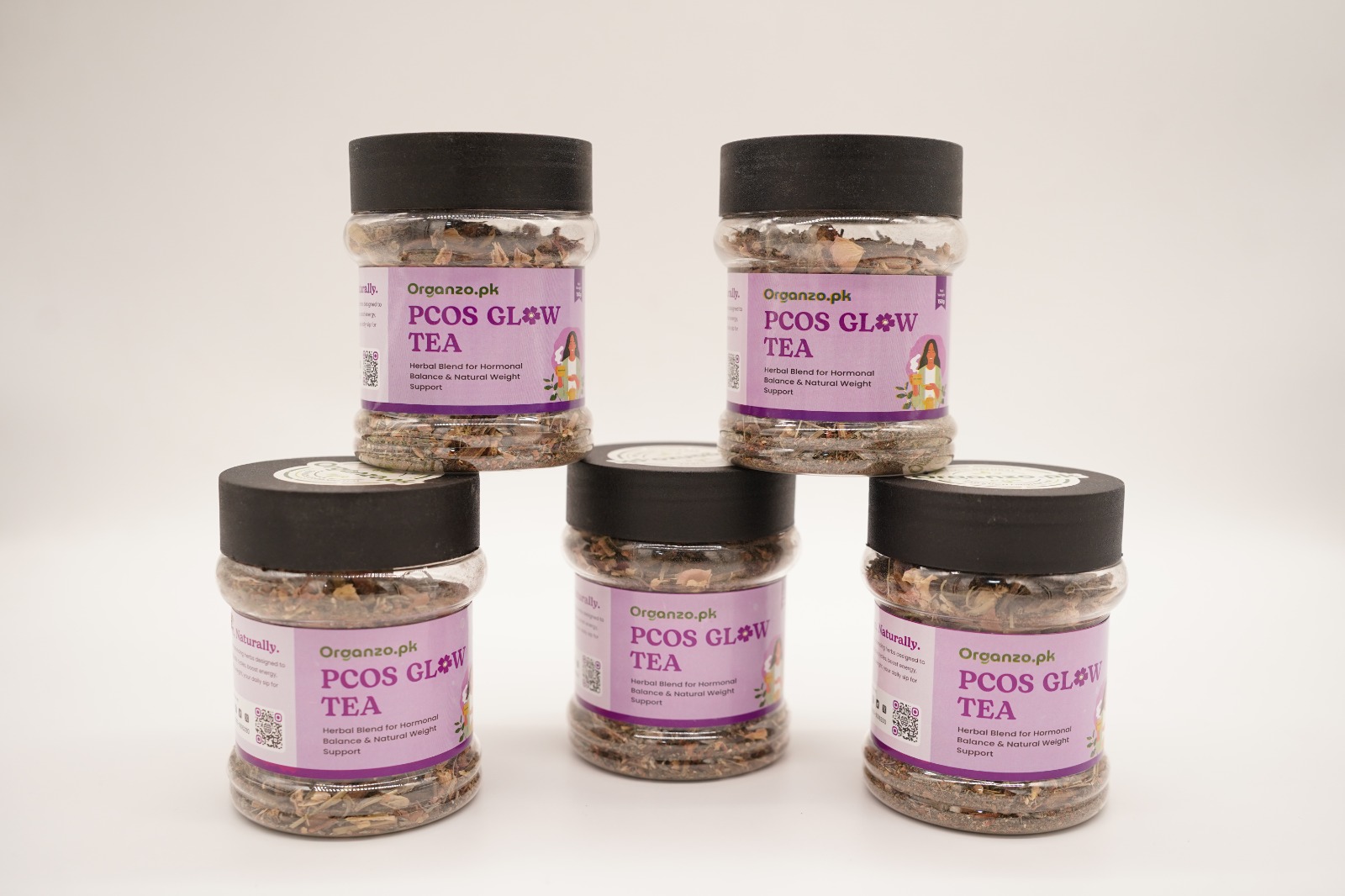
Quick answer: No. There is no cure for PCOS, but its symptoms can be treated. According to the NHS, treatment can include lifestyle changes, medicines for periods, fertility and unwanted hair, and, if medicines do not work, a minor surgical procedure. The 2023 international guideline recommends lifestyle intervention for all women with PCOS. Any product that promises to “cure” or “reverse” PCOS is making a claim the medical sources do not support.
It is worth saying this plainly, because “PCOS ka ilaj” searches are full of promises that sound hopeful and cannot be kept. The honest picture is better than it sounds: PCOS is manageable, and the right treatment depends on what is affecting you most. This guide sets out the main options so you can have a better conversation with your doctor.
Why PCOS is managed rather than cured
NICHD describes PCOS as a group of symptoms related to a hormonal imbalance, and research has not found a single cause, with genetic and environmental factors both involved. Without one fixable cause there is nothing to “cure” in the way an infection can be cured. Treatment instead targets the problems a woman actually has, whether that is irregular periods, fertility, unwanted hair, acne or metabolic health.
The main treatment options
The NHS 111 Wales summary and the 2023 international guideline describe these building blocks. Which apply to you is a decision for you and your doctor.
| If your main concern is… | Options your doctor may discuss | Source |
|---|---|---|
| Overall health and symptoms | Lifestyle intervention: healthy eating, physical activity and support to keep it going. For women who are overweight, losing about 5% of body weight can significantly improve symptoms. | 2023 guideline; NHS |
| Irregular periods | Contraceptive pills to regulate periods | NHS |
| Getting pregnant | Medicines such as clomifene or metformin; a minor surgery called laparoscopic ovarian drilling if medicines do not work | NHS |
| Excess hair on the face or body | Anti-androgen medicines, and cosmetic hair-removal methods | NHS; NICHD |
| Thinning scalp hair | Minoxidil | NHS |
For what lifestyle management can look like day to day in Pakistan, see our PCOS diet guide for Pakistan.
Where herbal and supplement products fit
The sources above describe lifestyle changes, medicines and surgery. Herbal teas are not among the treatments they list. The 2023 guideline is also cautious about supplements in general. For inositol, a supplement it discusses, it says one could be considered because harm is limited and some metabolic measures may improve, but with limited clinical benefit, and that specific types, doses and combinations cannot currently be recommended because of a lack of quality evidence.
That is a useful yardstick. If the guideline is that careful about a well-studied supplement, treat confident claims about a herbal tea with the same care. At Organzo we describe our teas as natural, caffeine-free herbal products, not treatments, and our Ingredient Research and Sources page sets out what the studies on each herb found and where they stop.
Never stop or change a prescribed medicine to try a herbal product without speaking to your doctor first.
Warning signs in PCOS marketing
Words like “cure”, “reverse”, “permanent” or “guaranteed”
Before-and-after photos presented as proof
A timeline for results (“regular periods in 30 days”)
Claims that the product replaces medicine
Studies cited without saying how small or short they were
Questions to ask your doctor
Which of my symptoms should we treat first?
Do I need blood tests or an ultrasound to check anything else?
Is lifestyle change likely to help in my case, and can you refer me to a dietitian?
How long before we would expect to see a difference, and how will we know it is working?
Is it safe to add a herbal tea or supplement alongside my current medicines?
Frequently Asked Questions
PCOS is a long-term condition. Symptoms can improve substantially with treatment and lifestyle changes, but sources describe managing it rather than curing it.
For women who are overweight, the NHS says losing about 5% of body weight can lead to a significant improvement in PCOS symptoms. That is an improvement in symptoms, not a cure, and not every woman with PCOS is overweight.
No. Herbal tea is not a substitute for medicine, and you should not stop prescribed treatment without your doctor’s advice.
Lifestyle change (food and movement) is the first-line approach in the 2023 guideline. Herbal products have limited evidence for PCOS; our research page shows what exists for each herb.
Sources
NICHD (US National Institutes of Health): About polycystic ovary syndrome
World Health Organization: Polycystic ovary syndrome fact sheet
More on how we choose and describe sources is on our Editorial Standards page, and our Ingredient Research and Sources page summarizes the herb studies. This article is general information, not medical advice.
Written by
I focus on organic living, digital strategy, and health education. Through my articles on Organzo, I share practical insights on herbal teas, PCOS wellness, and natural remedies to make healthy living simple for everyone.
Keep reading
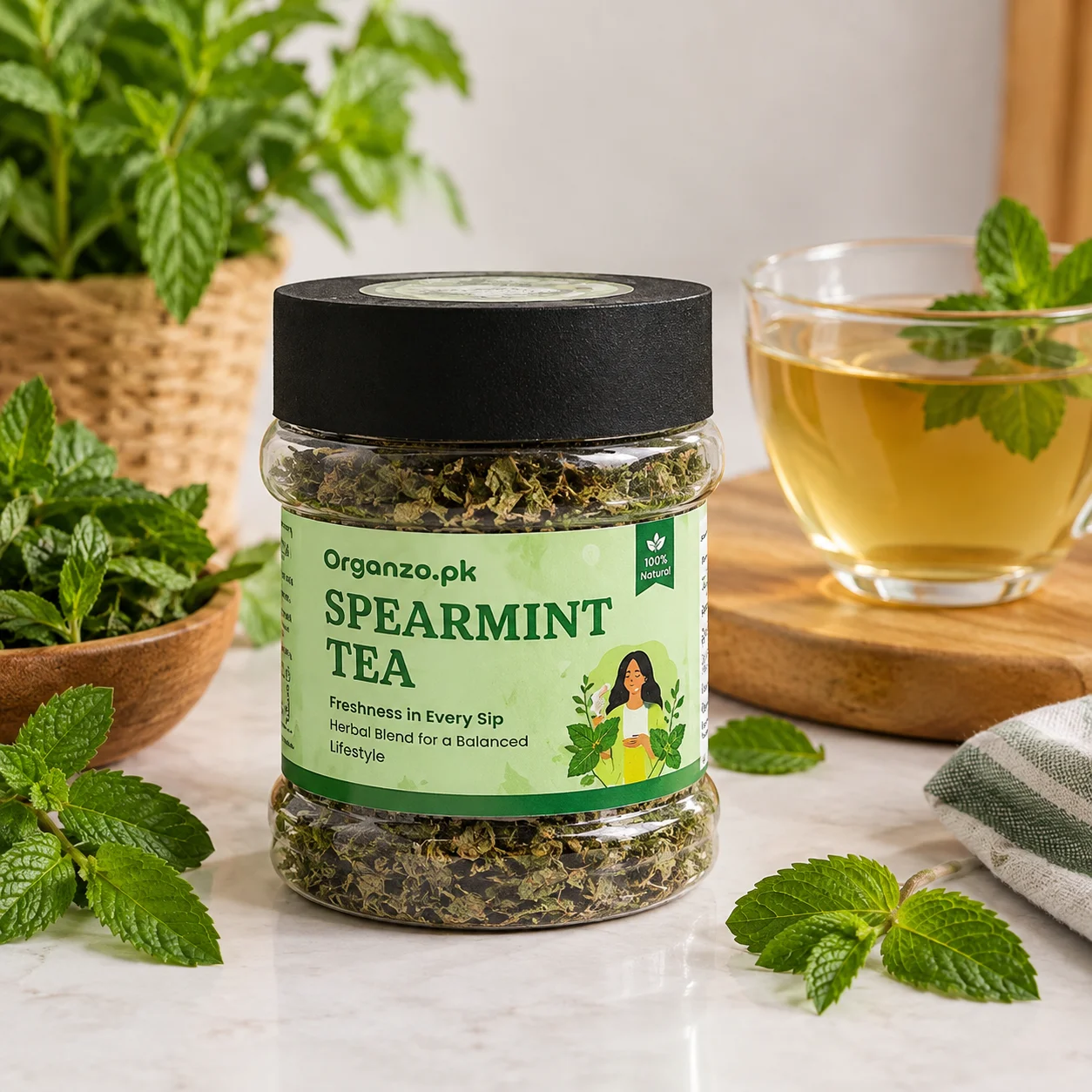
PCOS and Facial Hair: What Helps and What Studies Say
Why PCOS can cause facial and body hair, what medical and cosmetic options exist, and an honest look at what the spearmint tea studies did and did not show.
PCOS Diet in Pakistan: A Practical Guide to Desi Meals
There is no single best PCOS diet, but there are sensible ways to build desi meals around daal, whole-wheat roti, sabzi and protein. Here is what the evidence supports.
What Is PCOS? Symptoms, Diagnosis and When to See a Doctor
What PCOS is, the symptoms to know, how doctors diagnose it, and when to see a doctor — a plain-language guide for women in Pakistan, sourced from WHO and the US NIH.